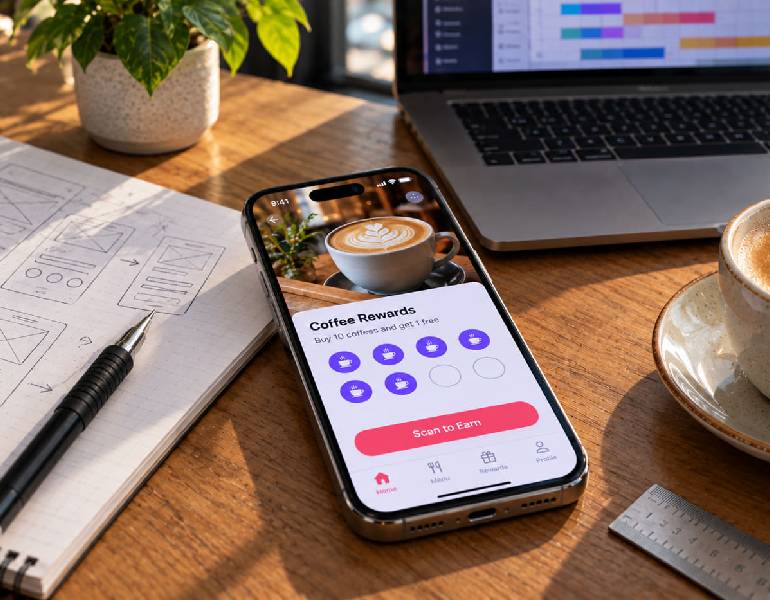
A liquor delivery app in Australia has to enforce each state's delivery laws, not just ask for a date of birth at sign-up. NSW requires an age check at the door for every same-day delivery, fines providers up to $5,500 for skipping it, and accepts AI-based checks of ID documents at purchase. Victoria stops all deliveries at 11pm. Vrushank Shah builds these rules into the order cut-offs, the ID check and the driver's handover screen before any other feature.
This guide reflects rules published by Liquor & Gaming NSW, Liquor Control Victoria and Queensland's Department of Justice as of 23 October 2026. It is general information, not legal advice. Confirm your obligations with your licensing adviser before launch.
Why Age-Gating at Sign-Up Isn't Enough
- 63% of Victorian customers said they were more likely to be asked for ID after the reforms
- 40% said they had received alcohol while intoxicated
- 16% had a same-day order left at an unattended address
- 25% of drivers kept a log of deliveries refused for intoxication
Most alcohol delivery apps stop at a date-of-birth field and a tick box. The law asks for far more, and the gap shows up in the data. The Monash University and Turning Point evaluation of Victoria's 2022 delivery reforms surveyed 149 customers and 21 delivery drivers. ID checks had clearly increased, yet 40% of customers still reported receiving alcohol while intoxicated. Among drivers, 75% kept records of failed deliveries to minors, but only 25% logged refusals because the customer was intoxicated.
Those gaps are design problems as much as training problems. If the driver app never asks for a refusal reason, the record never exists. If checkout doesn't know the delivery cut-off, a late order gets accepted and dispatched anyway. Vrushank Shah treats each legal duty as a screen, a field or a block in the order flow, so the compliant path is also the easiest one for staff to follow.
State-by-State Rules, Mapped to Liquor Delivery App Features
The table below turns each state's delivery rules into the feature that enforces them. NSW rules apply to same-day delivery, meaning alcohol delivered on the day it is bought.
| Rule | NSW (same-day delivery) | Victoria | Queensland | App feature that handles it |
|---|---|---|---|---|
| Delivery hours | 9am to midnight Monday to Saturday; 9am to 11pm Sunday | Until 11pm, whatever the licence's trading hours | No delivery-specific rules | Checkout cut-off by state and time zone |
| Age check when ordering | Verify the buyer is 18+ before the sale: accredited digital ID provider, AI-based check of an ID document, or a buyer statement that ID will be shown at delivery | First-time customers confirm they're 18+; gift orders confirm sender and recipient | Not specified for online sales | Age verification step at sign-up or first order |
| Age check at the door | Verify every recipient. ID if they look under 25; ID or a signed declaration if they look 25 or over | ID for first-time orders and for gift recipients | Not specified | Licence scan or declaration capture in the driver app |
| Unattended delivery | Not permitted | Same-day orders can't be left unattended | Not specified | "Leave at door" switched off for same-day orders |
| Intoxicated customers | No delivery to an intoxicated person | No delivery if intoxicated or at substantial risk of being intoxicated | Not specified | Driver refusal with a reason code |
| Refusal records | Record every refused delivery with the reason; keep for at least 12 months | Record every failed delivery; report to Liquor Control Victoria by 30 July each year | Not specified | Refusal register with export |
| Regulator reporting | Delivery data twice a year on the Liquor & Gaming NSW template | Annual failed delivery report | Not specified | Scheduled report export |
| Staff training and instructions | Approved Responsible Supply of Alcohol Training (RSAT) for providers and delivery staff, including contractors | Written instructions to every driver, including outsourced drivers | Not specified | Training record and in-app driver instructions |
| Restricted areas | No delivery into alcohol-free zones, alcohol prohibited areas or restricted alcohol areas | Check local restrictions | Check local restrictions | Geofenced no-delivery zones |
Queensland is the gap. Queensland consulted on an online sales and delivery framework in 2023. Its Department of Justice page still says current liquor laws don't provide explicit authorisations or harm-minimisation obligations for online sales and deliveries. Vrushank Shah builds Queensland orders to the NSW standard anyway, so the app won't need a rebuild when rules arrive.
Western Australia, South Australia, Tasmania, the ACT and the Northern Territory each have their own licensing rules. Check with each regulator before you take orders there.
Can AI Check a Customer's Age? What NSW Allows for AI ID Verification
Yes, in NSW. Liquor & Gaming NSW lists three accepted ways to verify a same-day buyer is 18 or over before the sale. The first is an accredited digital identity service provider. The second is an AI-based check of a proof of age document. The third is a statement from the buyer that they or a nominated adult will show ID at delivery. NSW first allowed these alternatives as temporary options, then confirmed they can be used on an ongoing basis.
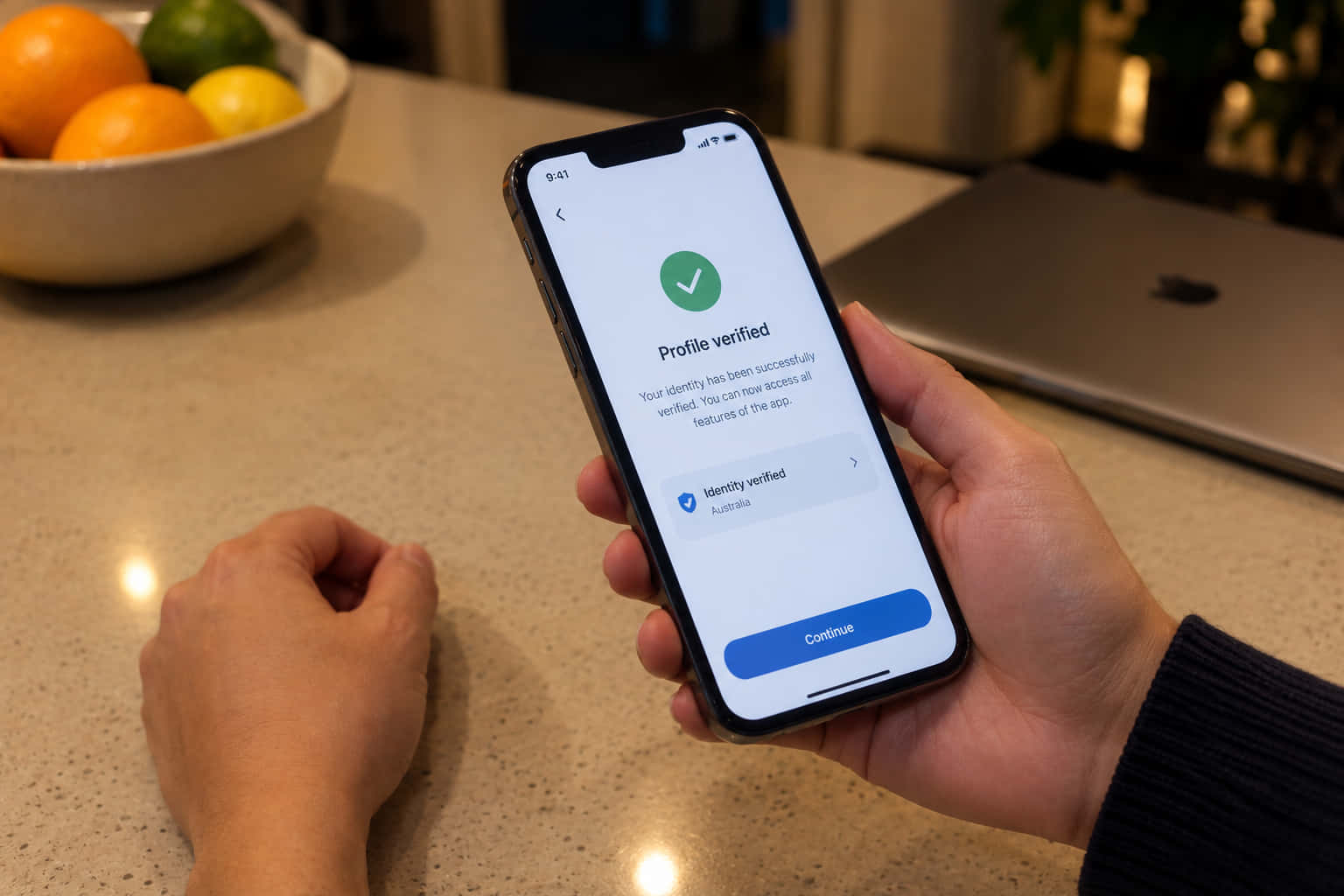
- Upload: the customer photographs their driver licence or passport during sign-up.
- Check: the AI service tests the document for signs of tampering and reads the date of birth. Some services also match a selfie to the document photo.
- Result: the account is approved, declined, or sent to a staff member for manual review.
Buy this, don't build it. Appmart doesn't build document-fraud detection from scratch. Specialist verification providers train their models on large volumes of real and forged documents, which a single retailer can't match. Connecting one is a standard integration, and Appmart's published cost guide puts third-party integrations at AUD 3,000 to 20,000, depending on how custom the connection is. The provider then charges per check, so ask for volume pricing before you sign.
Victoria is lighter at the ordering stage. First-time customers only need to confirm they're 18 or over. An AI check is optional there, but it gives the driver a verified profile before they knock on the door.
Privacy comes with it. A selfie match uses biometric information, which the Privacy Act treats as sensitive information. If the Act applies to your business (generally businesses with turnover above $3 million, plus some smaller ones), you need consent before collecting it. From 10 December 2026, covered businesses must also say in their privacy policy when a computer program uses personal information to make, or substantially help make, decisions that could significantly affect people. An app that automatically blocks a customer after a failed check may fall in scope. Vrushank Shah adds a manual review path and the privacy policy wording in the same sprint as the ID check.
The Driver Handover Flow, Step by Step
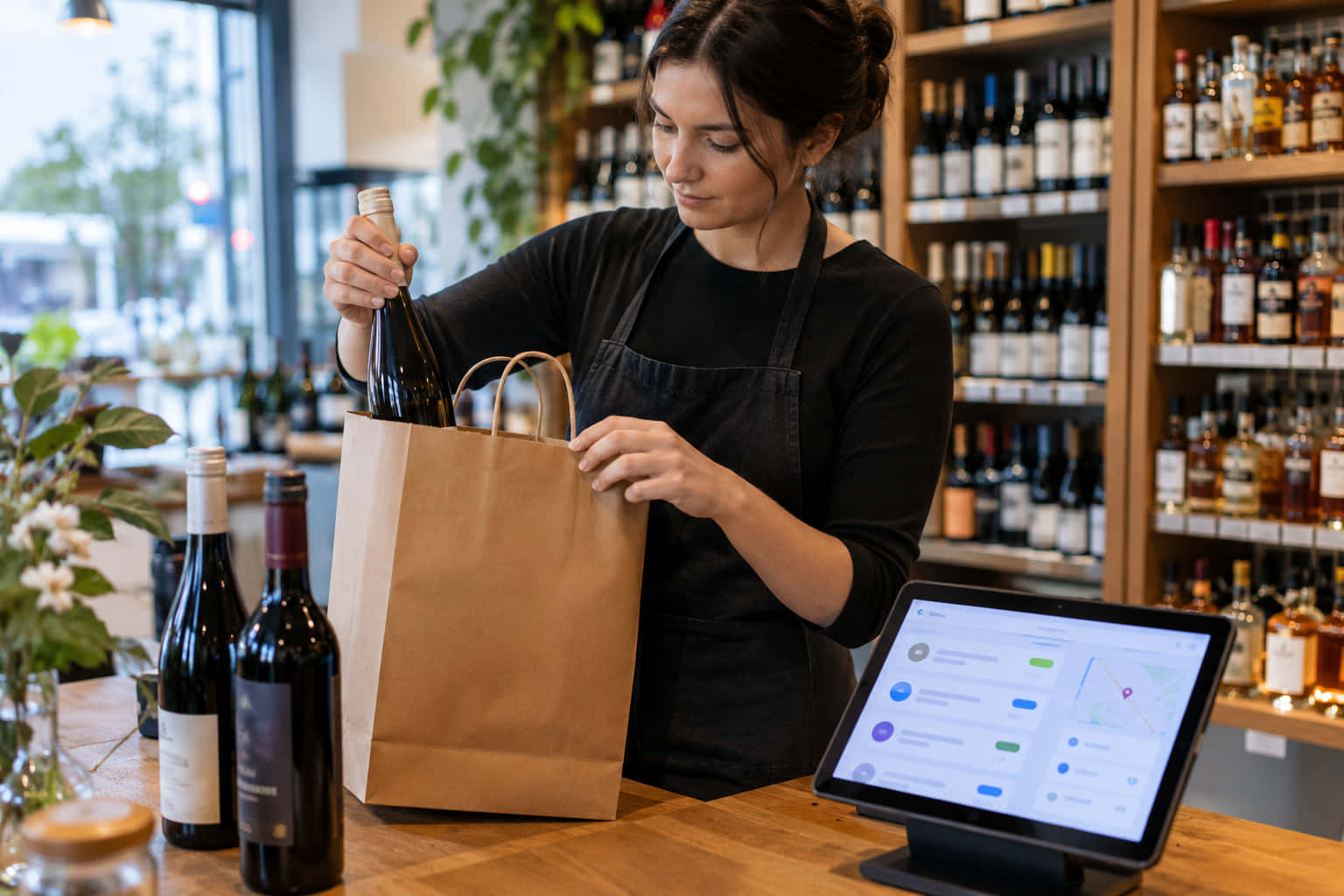
NSW requires an age check at the door, and Liquor & Gaming NSW audits whether drivers record it at handover. The driver app turns that duty into six short steps.
- Confirm the drop-off. The app checks the address sits outside any alcohol-free or restricted area and that the time falls inside the state's delivery window. If either check fails, the driver can't complete the handover.
- Check the ID. The driver scans the recipient's licence, and on-device text recognition reads the name and date of birth. In NSW, a recipient who looks 25 or over can sign a declaration on screen instead.
- Match the order. The app compares the name and age against the buyer or their nominated adult. A mismatch prompts the driver to refuse or call the customer, with no option to override the check.
- Judge sobriety. The app asks the driver one direct question: does the recipient appear intoxicated? That call belongs to the driver, because no software can judge it reliably at a front door.
- Deliver or refuse. A refusal needs a reason code: under 18, no ID, intoxicated, nobody home or restricted area. Refusals never reduce the driver's pay or rating, matching NSW's rule that staff must not be penalised.
- Record and return. The app timestamps the handover and logs refused orders for return to the store. NSW requires refusal records for at least 12 months, so the register keeps them and exports them for reporting.
Ask your compliance adviser how much ID detail to keep. Every licence image you store becomes personal information you must protect, so Vrushank Shah records that the check happened, the ID type and the time, and keeps images only when the adviser confirms you need them.
Where AI Helps and Where the Driver Decides
AI earns its place in a liquor delivery app when it reads, checks or predicts. It doesn't belong anywhere a person's judgement is the legal test.
AI and automation can
- Authenticate an uploaded ID document at sign-up
- Read the name and date of birth from a licence at the door
- Block checkout outside delivery hours and inside restricted zones
- Flag accounts or addresses with repeated refusals or failed checks
- Forecast Friday and Saturday peaks for rostering and stock
A driver or manager decides
- Whether a recipient is intoxicated
- Whether to hand over when something feels wrong
- Whether to suspend or ban a customer account
- How to resolve a disputed refusal
- Which promotions run and when
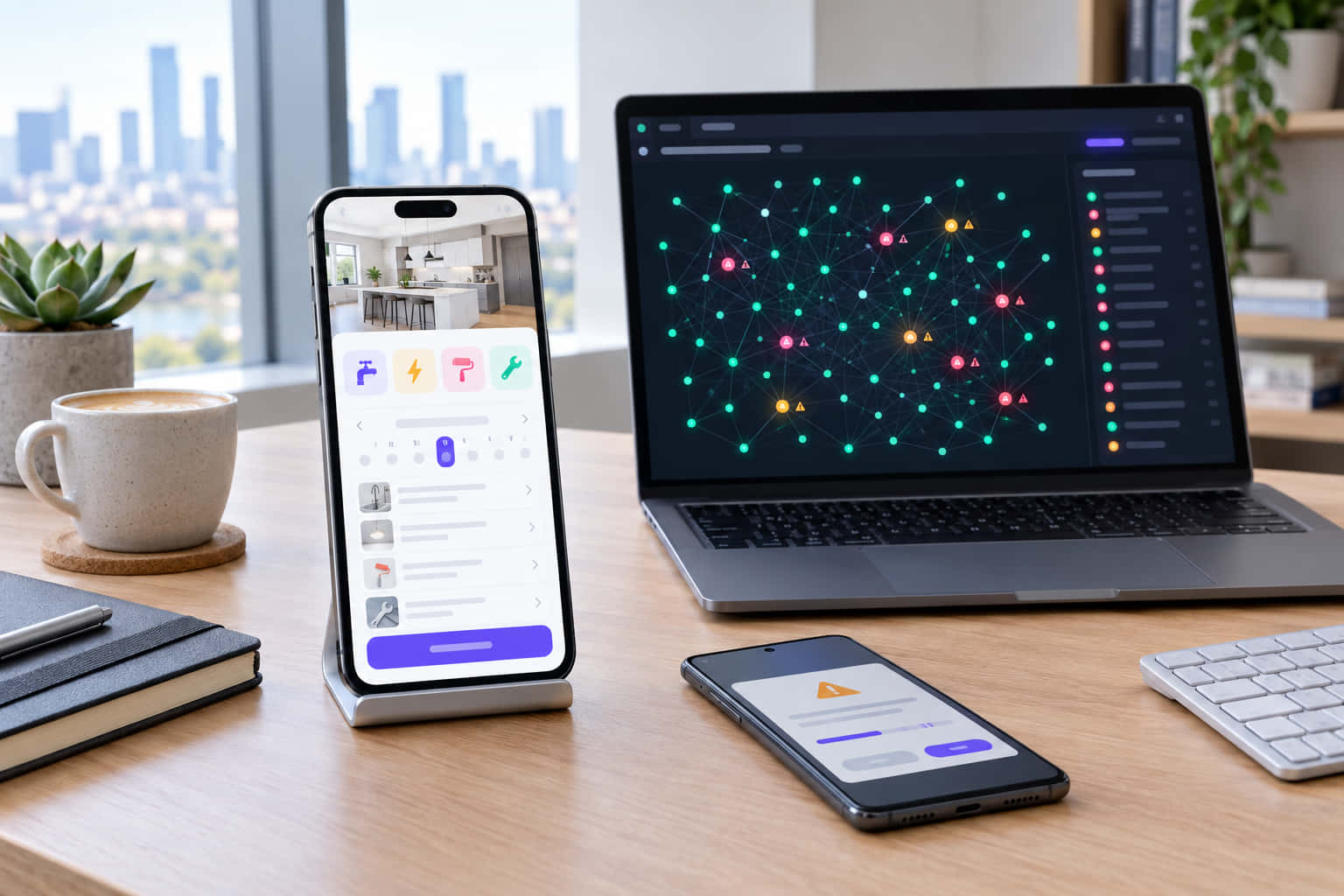
Refusal pattern alerts need a human step. The app can flag an address with three refusals in a month, but a manager reviews the flag before anything happens to the account. That review also matters for the Privacy Act's automated decision rules from 10 December 2026, which apply even when a person signs off on the software's suggestion. Disclose the alert in your privacy policy if it can lead to a customer losing access.
Recommendations need limits. Food pairings and "running low on mixers" prompts suit a liquor app at 6pm. Vrushank Shah switches off upsell prompts in the final hour before the delivery cut-off, because a "buy more" nudge at 11pm works against the responsible supply duty the store carries. See how Appmart scopes AI features with limits like these built in.
Ordering Cut-Offs and Geofencing
Delivery hours look simple until an order lands at 11:40pm. NSW prohibits deliveries outside permitted hours even if the order was placed before the cut-off, so the app has to predict arrival time, not just check the clock.
- State from the delivery address. The app applies rules for the state the alcohol is delivered to, not where the phone is.
- Time zone awareness. Queensland doesn't use daylight saving while NSW and Victoria do, so cut-offs shift by an hour for half the year.
- Arrival prediction. Checkout estimates delivery time from distance and driver load, and stops accepting same-day orders that can't arrive before the cut-off.
- Same-day or scheduled. Each order is tagged so the right rules and NSW's twice-yearly reporting apply only to same-day deliveries.
- Restricted zones. Store staff can draw and update alcohol-free zones and restricted areas on a map in the admin panel, without a developer.
These rules also protect the business. Liquor & Gaming NSW's December 2025 audits found deliveries made into alcohol-prohibited zones, including Sydney's Hyde Park. A geofence stops that order at checkout.
Build Your Own Liquor Delivery App or Stay on an Aggregator?
Uber Eats and DoorDash publish marketplace delivery commissions of up to 30% on their Australian merchant pricing pages. That buys drivers, customers and zero upfront cost. Your own app trades that commission for a build budget, your own drivers and full control of the compliance flow.
| Factor | Aggregator marketplace | Your own app |
|---|---|---|
| Cost per delivery order | Commission of up to 30% | Card fees plus your delivery cost |
| Upfront cost | None | Build budget |
| Customer data | Held by the platform | Yours, for loyalty and reorders |
| Compliance flow | The platform's driver process | Your ID checks, refusal codes and records |
| Drivers | Platform contractors, covered by the Fair Work on-demand delivery order from 17 August 2026 | Your employees or a delivery partner |
The break-even sum. Here is a worked example with stated assumptions. Swap in your own numbers.
- Average order: $60, so a 30% commission costs $18 per order
- Your delivery cost: $10 per order for driver time and fuel (assumption)
- Card fees: about $1.29 per order (Stripe's 1.65% plus 30 cents for domestic cards)
- Saving per order moved to your app: $18 minus $10 minus $1.29 = $6.71
- Single-store build: AUD 75,000, so about 11,180 orders to recover the build
At 100 own-app orders a week, that takes around 112 weeks. At 250 a week, it takes about 45 weeks. Add 15% to 20% of the build cost each year for app maintenance, as Appmart's cost guide recommends.
The answer for most bottle shops: stay on aggregators while your repeat volume is low, then move loyal customers to your own app once weekly orders can carry the build. Either way, your licence has to permit delivery before the app goes live.
What Liquor Delivery App Development Costs in Australia
Compliance work is what separates alcohol delivery app development from a standard ordering app, so it is priced in from the first tier. These ranges sit inside the bands in Appmart's app cost guide, which places mid-range business apps at AUD 50,000 to 150,000 and complex platforms at AUD 150,000 to 400,000 or more.
| Build | What's included | AUD estimate | Timeline |
|---|---|---|---|
| Single-store app | Customer app for iOS and Android from one codebase, driver handover screens, admin panel, state cut-offs, ID verification integration, refusal register | 60,000 to 90,000 | 3 to 6 months |
| Multi-store chain | Everything above, plus stock by location, POS integration, delivery zones per store, rostering and regulator exports | 90,000 to 150,000 | 4 to 6 months |
| Multi-retailer delivery platform | Retailer onboarding, licence checks per seller, payouts, dispatch, and rules across several states | 150,000 to 300,000+ | 6 to 12 months |
If you already run an ecommerce app or want to price features one by one, these are the compliance and AI line items Appmart scopes separately.
| Feature | AUD estimate | What drives the cost |
|---|---|---|
| AI or accredited digital ID check at sign-up | 3,000 to 20,000 to integrate | Provider choice; plus the provider's per-check fee |
| Licence scan and name match at the door | 5,000 to 10,000 | On-device text recognition, declaration capture |
| State cut-offs, time zones and geofencing | 5,000 to 12,000 | Number of states and restricted zones |
| Refusal register and regulator exports | 6,000 to 12,000 | Reason codes, 12-month retention, NSW and Victorian reports |
| Refusal pattern alerts | 4,000 to 8,000 | Rules first, manager review queue |
| Demand forecasting | 10,000 to 25,000 | Needs several months of order history |
| POS integration | 3,000 to 20,000 | How open your POS system's API is |
Budget 15% to 20% of the build cost each year for maintenance, hosting and OS updates. Appmart quotes a fixed price after scoping, so these ranges become one number before any build work starts.
Frequently Asked Questions
A compliant app enforces the rules of the state it delivers to. That means age verification when ordering, an age check at the door, delivery cut-offs, no unattended same-day drop-offs, refusal records and regulator reporting. A date-of-birth field alone doesn't meet NSW or Victorian rules.
You need a licence that permits the sale, and there is no separate online liquor licence in most cases. In NSW, same-day deliveries must be sold under a NSW liquor licence. In Victoria, a packaged liquor licensee must notify Liquor Control Victoria before taking online or phone orders and show its licence number on the ordering platform.
Not for same-day orders in NSW or Victoria. Both states require the driver to hand same-day alcohol to a person. In Victoria, repeat customers on scheduled orders can leave delivery instructions, and the driver must follow them.
Yes. NSW accepts AI-based checks of a proof of age document when a same-day customer buys. The driver still checks age at the door, because the AI check confirms the buyer, not the person who answers.
The on-demand delivery order covers contractors engaged through a digital platform who mainly deliver food, drinks, alcohol or groceries. It applies from 17 August 2026 with minimum rates from $31.30 an hour. Drivers you employ directly are covered by their award instead. Check your setup with Fair Work.